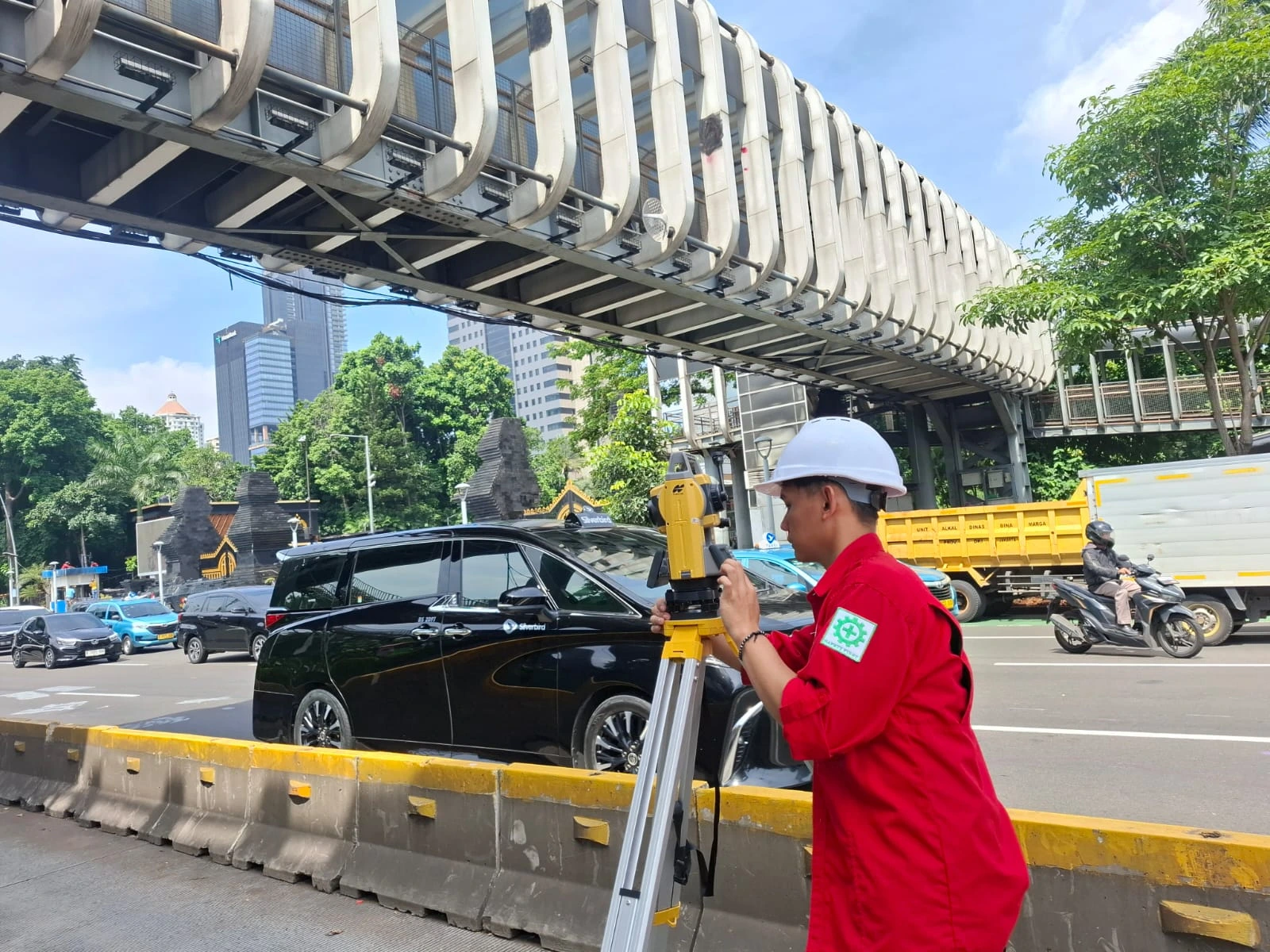
Every building is designed based on certain assumptions about material quality, working loads, and environmental conditions at the time of construction. However, over time, the actual condition of a building can change…
🔍 Why Is Recalculation Necessary?
1. Change of Building Function
When a building is repurposed — for example, from an office into a data center or heavy storage space — the working loads can change drastically.
- Live load increases (e.g., storage racks)
- Dead load increases (e.g., new partitions)
- Layout changes affect load distribution
2. Material Aging
Materials such as concrete and steel degrade over time. Contributing factors include:
- Steel reinforcement corrosion due to exposure to water and air
- Concrete cracking from thermal-load cycles
- Reduced material strength due to chemical reactions
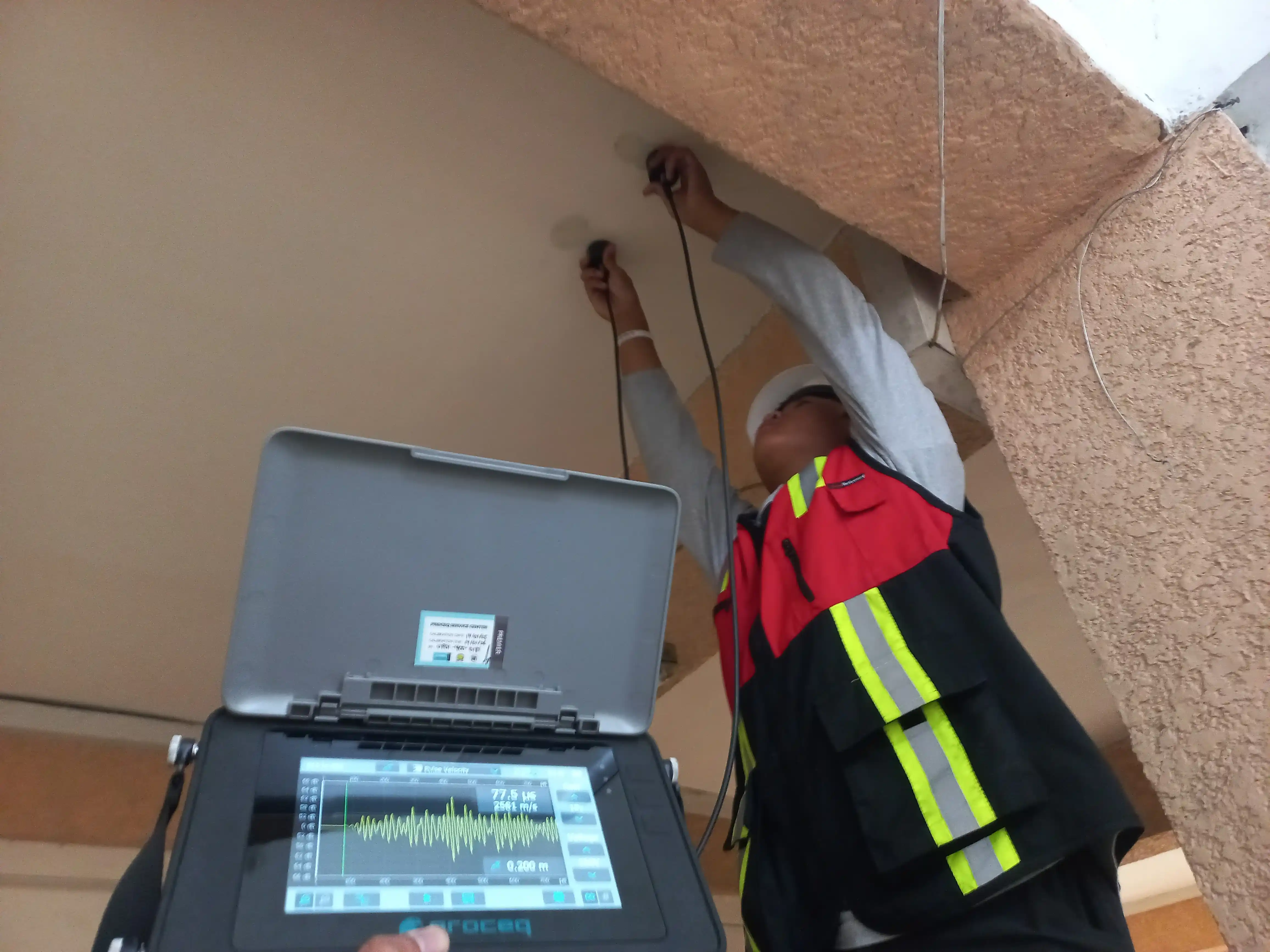
Image: Example of corrosion in steel reinforcement in an old building
3. Changes in Environmental Loads
Climate change and new regulations (such as for earthquakes) can render old design standards inadequate.
Expert Note: According to SNI 1726:2019, Indonesia’s seismic hazard map has been updated, meaning older buildings may no longer meet current earthquake safety standards.
📊 Recalculation Methods
The structural recalculation process includes:
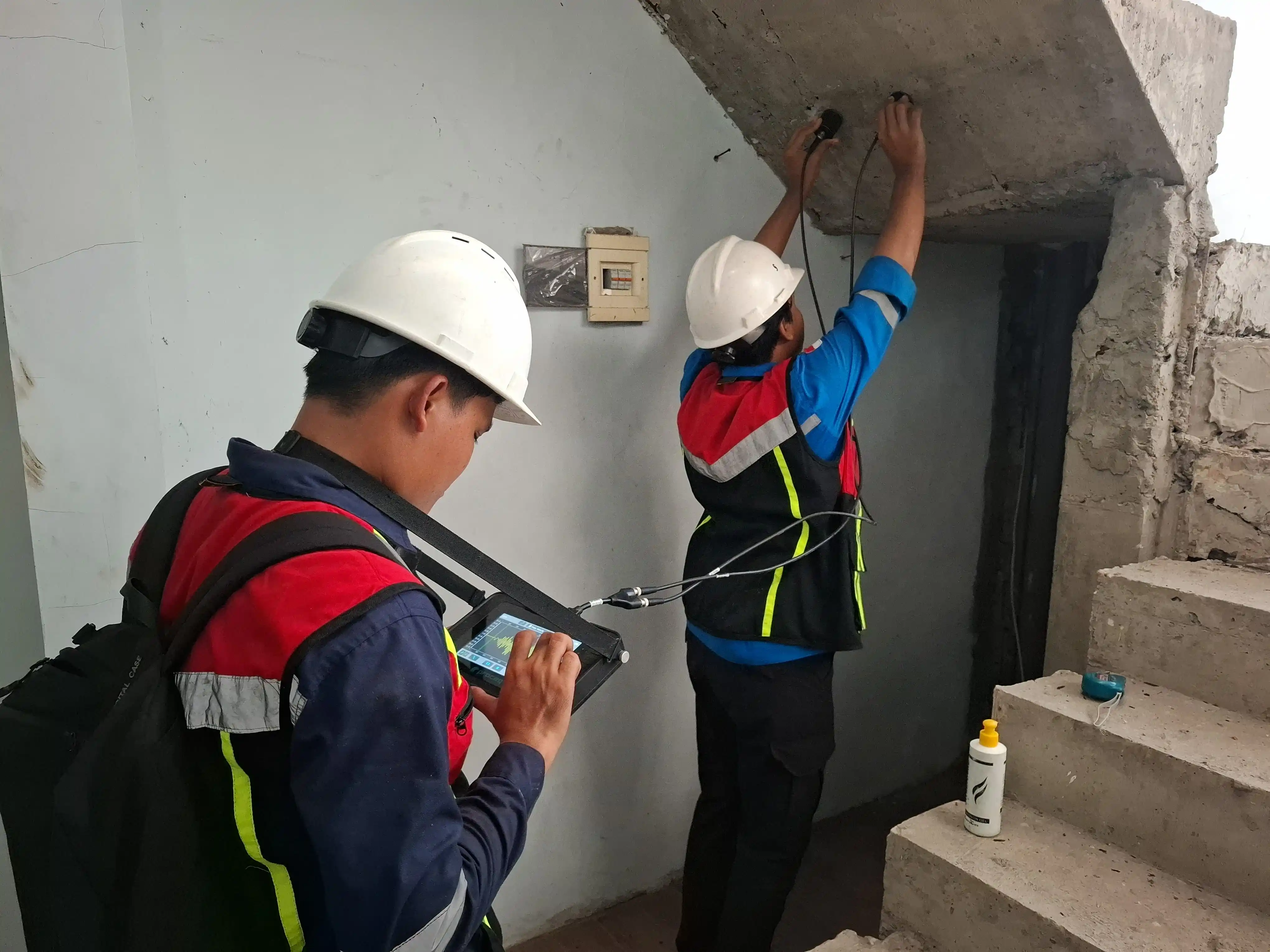
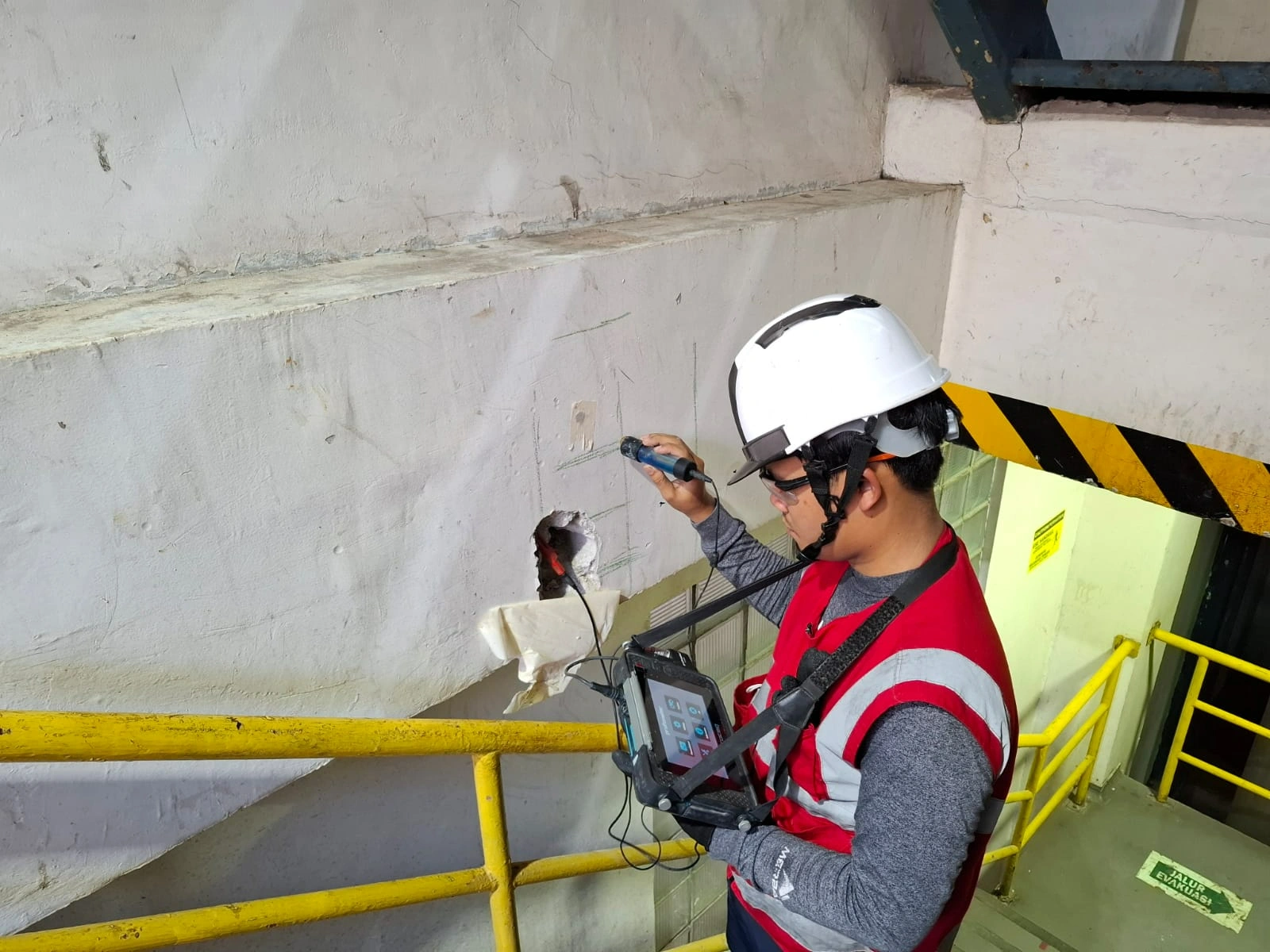
- Non-Destructive Testing (Hammer Test, UPV, etc.)
- Core Sampling for laboratory testing
- Load Analysis according to current function
- Structural Modeling with software (ETABS, SAP2000)
- Capacity Evaluation compared against requirements
✅ Conclusion
Structural recalculation is not optional — it is a necessity to ensure the safety and longevity of a building. With the right approach, you can:
- Know the building’s remaining lifespan
- Plan reinforcement if needed
- Obtain building permits safely
Need help? PT. JOIN TEKNOLOGI’s expert team is ready to assist you!
This article was written by the structural team of PT. Join Teknologi Internasional.